
E-Commerce Photography
How ghost mannequin photography transforms online clothing listings — and why AI has made it available to every seller, not just the big brands.
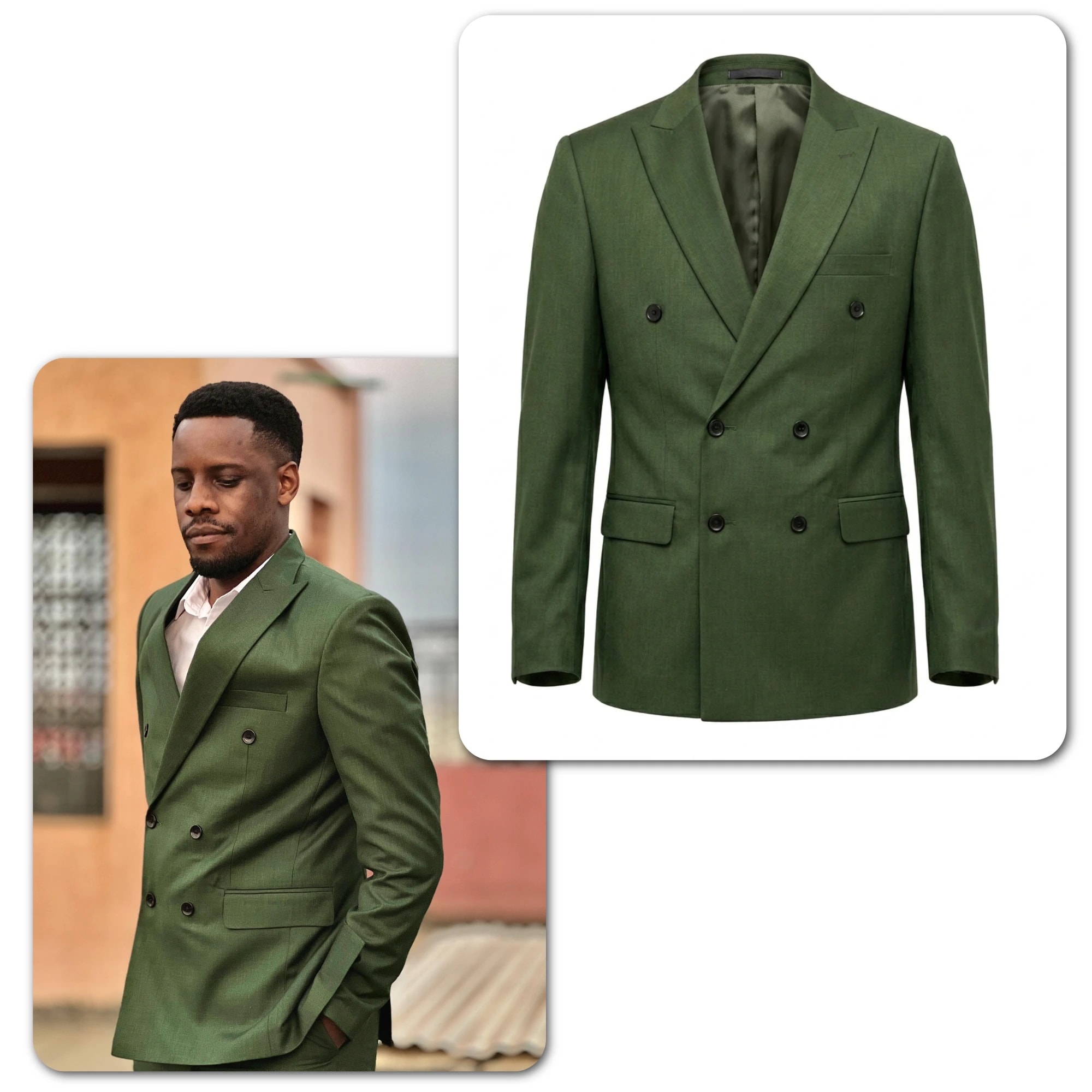
Imagine a shirt hanging in mid-air — collar propped open, sleeves falling naturally, the shape of a person implied but no actual person (or mannequin) visible. That is the ghost mannequin effect. Also called the invisible mannequin technique, it creates product images that communicate fit and structure without the visual clutter of a model or the stiffness of a standard display mannequin.
In traditional studio workflows, this required two separate photographs of the same garment — one on the mannequin, one with the inner collar and lining exposed — which were then composited together in Photoshop. It was skilled, time-intensive work. Today, AI tools have made the entire process nearly instant.
"A customer shopping online cannot touch the fabric or try it on. The product image is the fitting room."
The logic behind ghost mannequin photography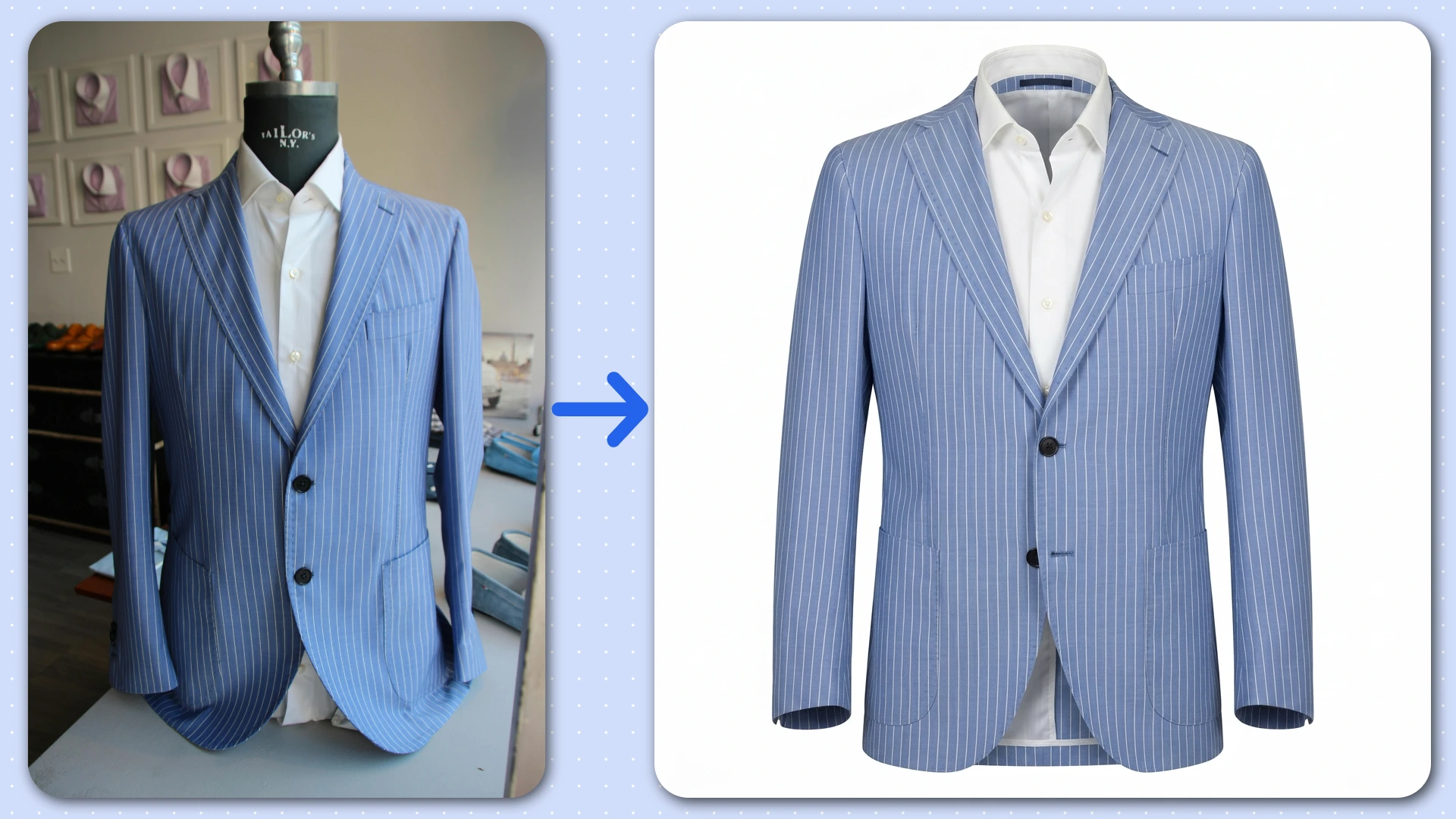
Before & after: the same garment, with and without the ghost mannequin effect applied.
Product photography is not a branding nicety — it directly affects whether a customer adds an item to their cart. Research across major e-commerce platforms consistently shows that garment presentation quality correlates with purchase intent.
These are not marginal gains. For a seller running 500 SKUs, a 38% improvement in conversion is transformational. And the time saving — from 30–60 minutes per image in a traditional workflow, down to seconds with AI — changes what is financially possible for small and mid-sized brands.
Both approaches achieve the same visual outcome. The differences lie in time, cost, and the skills required. Here is an honest breakdown:
| Factor | Traditional (Photoshop) | AI-Powered Tool |
|---|---|---|
| Time per image | 30 – 60 minutes | ~15 seconds |
| Skills required | Expert retoucher | None — upload and download |
| Equipment needed | Modular mannequin ($500–$3k) | Any mannequin or hanger |
| Cost per image | $1 – $5 (outsourced) | Fraction of a cent at scale |
| Catalog consistency | Varies by editor | Identical logic every time |
| Turnaround time | Days (outsourced) | Same day |
A professional Neck Joint Service — the industry term for ghost mannequin retouching — involves skilled retouchers who mask the garment, remove the mannequin in layers, and reconstruct the hidden inner areas using data from the second photograph. The results can be excellent. The bottleneck is human time and cost.
Modern AI tools use trained computer vision models to automatically segment the garment, predict the hidden areas, and composite a clean final image. No second photo required. No manual masking. The quality has reached a point where most e-commerce marketplaces accept AI-processed images without issue.
AI does the heavy work, but the quality of your source image sets the ceiling. These four things make a measurable difference:
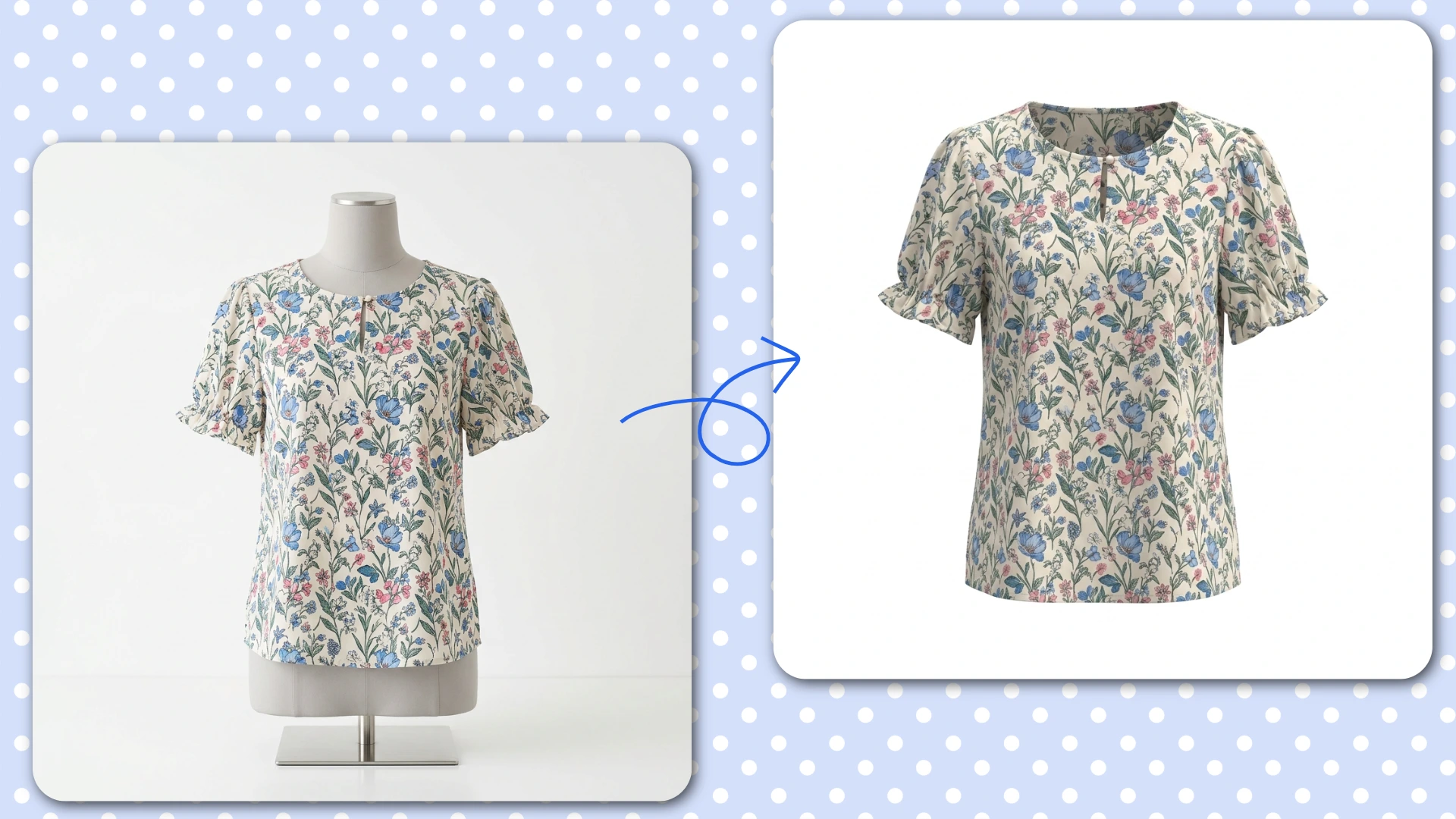
A diffused lighting setup makes a significant difference to the final AI output quality.
Ghost mannequin photography works across almost every apparel and accessories category. These are the sellers who see the biggest returns:
Upload one of your product photos and see the ghost mannequin effect applied in seconds — no Photoshop skills, no specialist equipment required.
Try AI Ghost Mannequin Photography Tool Free →Ghost mannequin photography has moved from a specialist post-production technique to an accessible, everyday part of e-commerce workflows. AI has removed the two biggest barriers — specialist skill and specialist equipment — and left only the most important variable: the quality of your source photograph.
If your current product images do not clearly communicate how a garment fits and sits on a body, you are working against the conversion rate that your products deserve. The gap between a flat-lay image and a well-executed invisible mannequin shot is visible immediately — and customers respond to it.
The practical reality in 2026 is that professional-grade ghost mannequin images are within reach of any seller willing to spend a few minutes on their photography setup and a few seconds on the AI tool.
Common questions about ghost mannequin photography, invisible mannequin techniques, and AI-powered editing.